Perth’s OuttaBounds Expands with SHANX Mini-Golf Course, Targets Family Entertainment
OuttaBounds Australia, a golf entertainment venue in Perth, Western Australia, has launched a new 14-hole SHANX mini-golf course. This expansion aims to broaden its appeal to families and casual players, complementing existing driving bays, simulators, and augmented reality darts. General Manager Jason Roach states the move reinforces a strategy to offer diverse entertainment options.
OuttaBounds Adds New Mini-Golf Offering
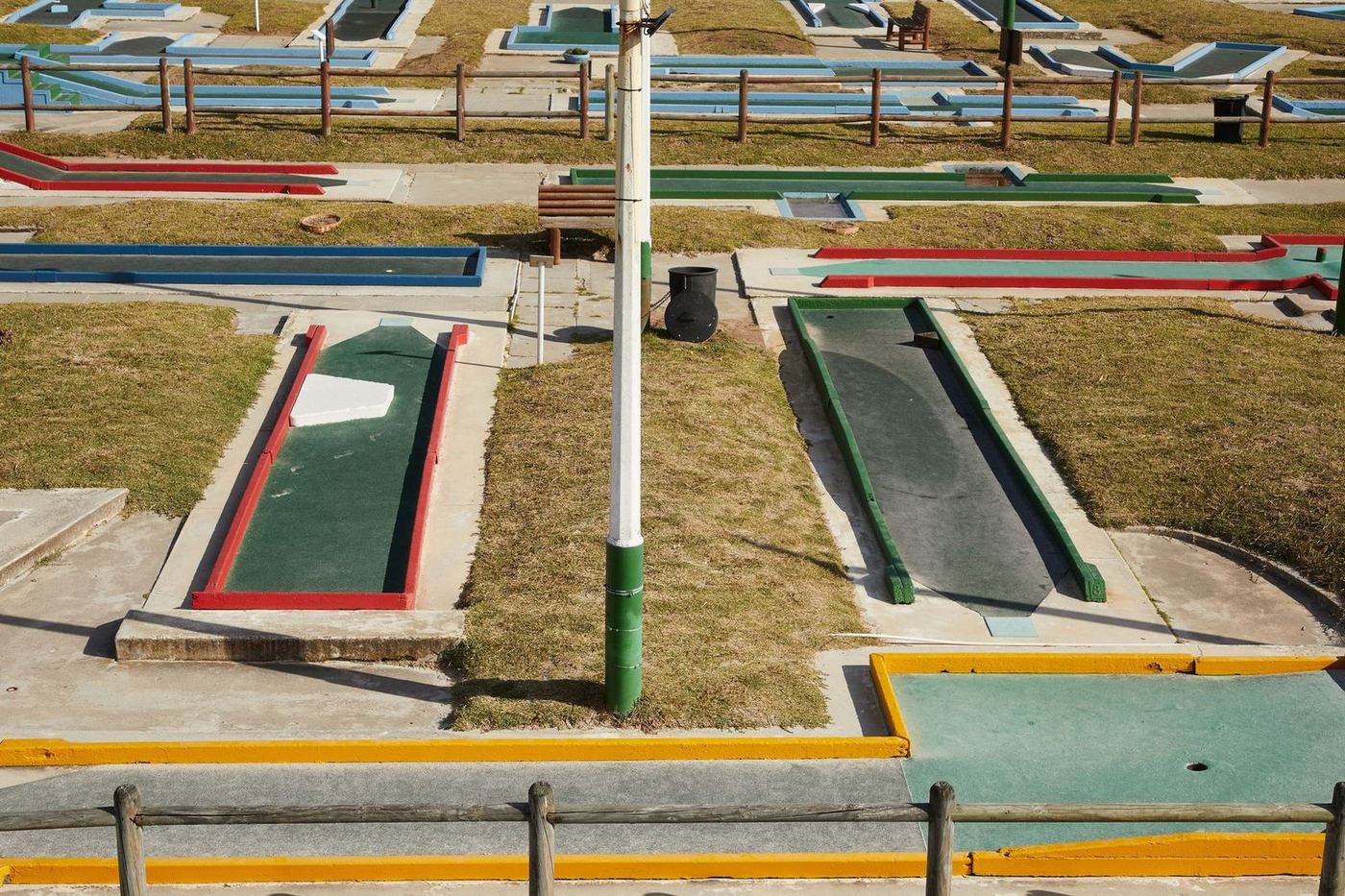
OuttaBounds Australia, a golf entertainment facility in Perth, Western Australia, recently introduced a 14-hole SHANX mini-golf course. This addition includes dual-pin locations and an integrated central playground, designed to cater for all age groups. The venue already features 18 outdoor driving bays equipped with Inrange ball-tracking technology and illuminated targets.
Inside, OuttaBounds provides nine golf simulators and augmented reality darts, alongside extensive food and beverage services. The expansion shows the facility's ongoing development in the off-course golf entertainment sector. General Manager Jason Roach confirmed the new mini-golf course enhances the venue’s multi-activity proposition.
Strategic Shift Towards Entertainment
Jason Roach, OuttaBounds General Manager, explained the strategic shift towards entertainment. He stated that the venue previously focused on traditional golf products. This mindset changed to prioritise fun, entertainment, and shared activities. OuttaBounds aims to become Australia’s leading golf entertainment venue, requiring diversification.
Early morning visitors often comprise dedicated golfers refining their game. However, afternoon and evening trade primarily involves groups, families, and casual players seeking social entertainment. The SHANX mini-golf course directly addresses families, couples, and new players.
It reduces potential intimidation associated with traditional golf courses, integrating various activities under one roof.
Operational Planning and Design Choices
The site historically operated as a traditional grass driving range, putting green, and chipping area. Australian professional golfers Min Woo Lee and Minjee Lee practiced there during their youth. Transitioning the facility into a modern entertainment hub did not require a major change-of-use permit from local government, according to Jason Roach.
The land was already designated for range use. Local councils in Western Australia have shown commercial awareness regarding golf assets. Reinvesting in council-leased golf land has improved municipal revenue, mirroring a blueprint established at Wembley Golf Course. The 14-hole layout, with an integrated playground, was chosen over a standard 18-hole track.
This design considers customer metrics showing young children often lose interest during the final holes of longer courses.
Customer Feedback and Revenue Impact
Feedback from families and corporate groups has been positive, Jason Roach reported. The 14-hole design, paired with a central, enclosed children’s playground, shortens gameplay to approximately 45 minutes. This contrasts with the 75 minutes typically required for an 18-hole course.
This time saving allows families to spend more time in the hospitality areas, ordering meals and drinks. This directly boosts ancillary spending and improves the overall visit. The course design avoids outdated obstacles like windmills. Instead, it features a premium, contoured layout with synthetic astroturf bunkering.
This creates engaging contours that yield satisfying moments and achievable hole-in-ones, encouraging repeat visits. Parents also appreciate supervising children from the beer garden.
Implications for Asia’s Golf Entertainment Market
OuttaBounds’ expansion into diversified golf entertainment reflects a broader trend. Mini-golf, driving ranges, and simulator lounges serve as entry points into golf for modern consumers. This multi-activity model provides a foundation for future growth. The approach demonstrates how traditional golf facilities can evolve into broader entertainment venues.
For Asian markets, this model could offer a blueprint for increasing golf participation and revenue. Cities across Asia, from Singapore to Seoul, are seeing similar developments in urban golf entertainment. Traditional clubs and developers in the region may consider diversifying their offerings to attract new demographics. This strategy could secure future relevance and financial viability for golf businesses throughout Asia.
Get The Sunday Round.
One course worth playing, one destination worth planning, and one story worth your coffee, every Sunday. Free.