Pebble Beach 16th Hole Change Divides Players, Ernie Els Weighs In
The removal of a diseased tree on the par-4 16th fairway has prompted discussion among professionals, including Ernie Els, regarding the course's future integrity.
Course Changes at Pebble Beach Draw Player Scrutiny
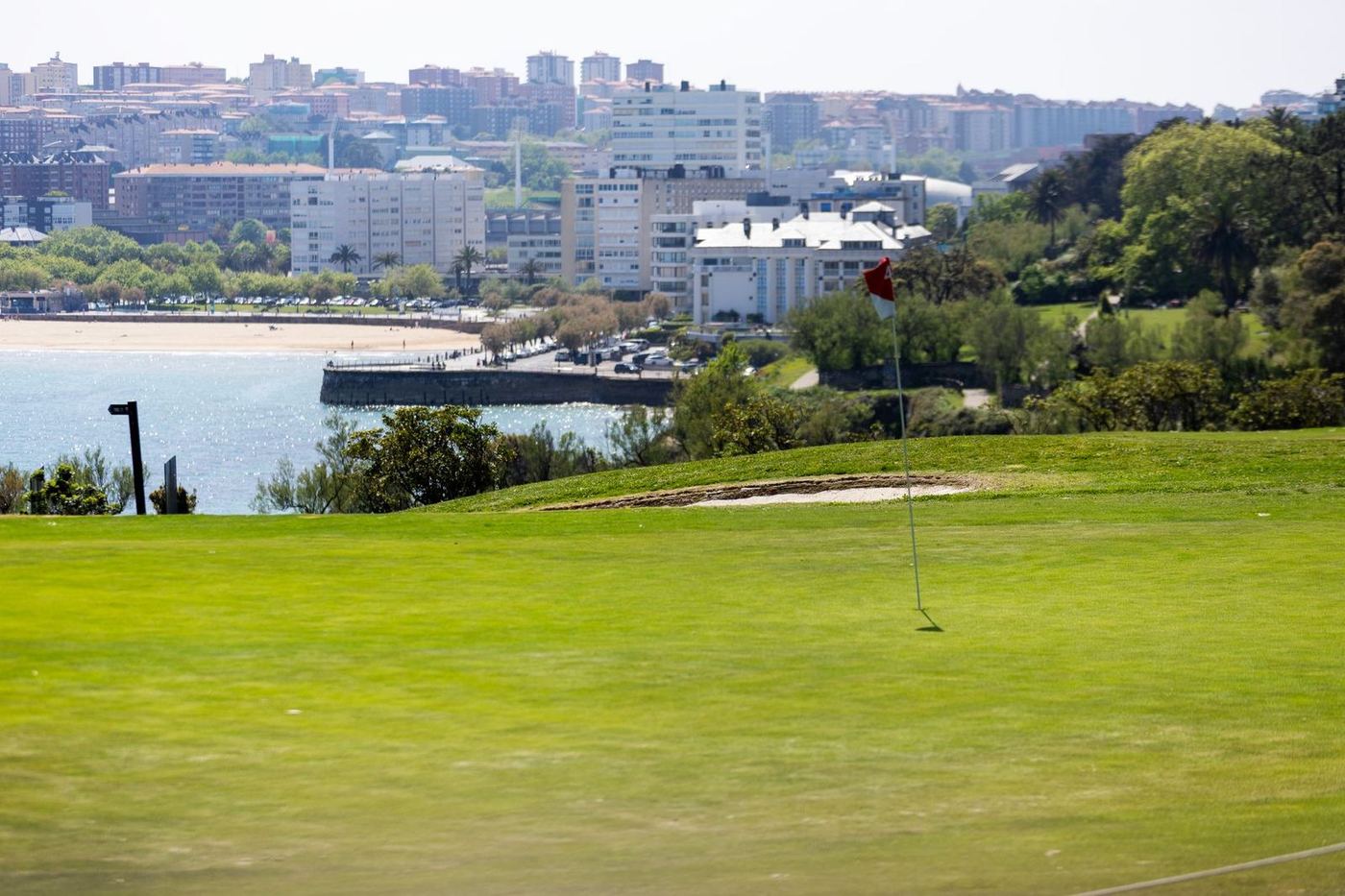
Pebble Beach Golf Links in California is currently featuring a notable alteration to its 16th hole, a change that has become a key talking point among competitors at this week's Pure Insurance Championship. Veteran professional Ernie Els expressed concern on Friday, 18 September 2026, over the removal of a significant tree from the right side of the 16th fairway.
Els observed that even he could now reach a distant point on the par-4 with a 3-wood, suggesting the course might require additional length to maintain its challenge. He also highlighted the ongoing debate regarding golf ball technology, urging swifter action from governing bodies like the USGA to address increasing driving distances.
Disease, Not Strategy, Led to 16th Hole Modification
The decision to remove the tree from the 16th hole was not a strategic design choice, according to statements from the USGA and the Pebble Beach resort. Instead, the tree had become diseased, and despite efforts by the course's grounds crew and arborists to save it, its removal became necessary a few weeks prior to the championship.
Historically, the trees on the 16th hole gained prominence following a redesign by architects H. Chandler Egan and Robert Hunter before the 1929 U.S. Amateur. They repositioned the green approximately 100 yards further back, effectively using the cypress grove to narrow the fairway and demand precise approach shots.
This recent alteration to the 16th has led some players to consider a more aggressive "bomb-and-gauge" approach, utilising the newly cleared right side of the fairway.
Divided Opinions Among Professionals on 16th Hole's Impact
While some players, such as Ryan Armour, noted that the tree's absence makes it easier for longer hitters to drive aggressively down the right side, not all competitors shared Els's level of concern. Zach Johnson, for instance, remarked that he did not perceive the change as particularly significant, stating the hole's integrity remained intact despite the tree's health issues.
Course operators at Pebble Beach aim to preserve the venue's standing among the world's premier golf courses through such adjustments. However, the unique, interconnected layout of the course limits extensive new development.
This ongoing challenge of balancing course design with advances in equipment has previously led to modifications, including the re-addition of a cypress tree to the 18th fairway earlier this summer, a strategic move first implemented before the 2009 U.S. Open.
Future Implications for Championship Golf and Course Design
Ernie Els voiced apprehension that one of golf's most revered championship venues could eventually lose its intended character due to technological advancements. The USGA, which will host the U.S. Open at Pebble Beach next June, has not ruled out the possibility of re-introducing a tree to the right side of the 16th hole before the national championship.
This highlights the broader dilemma facing classic golf courses worldwide: how to adapt to ever-increasing ball speeds and driving distances without fundamentally altering their original design and challenge.
While Asian championship courses have not yet reported widespread, non-strategic tree removals of this nature, the ongoing global discussion on equipment technology and course integrity will likely inform future design and renovation decisions at venues such as Japan's Kasumigaseki Country Club or South Korea's Nine Bridges.
Get The Sunday Round.
One course worth playing, one destination worth planning, and one story worth your coffee, every Sunday. Free.